Buying a home in Australia is exciting, but let’s be honest, there’s a lot more to it than finding a property you love, securing a mortgage and collecting the keys. Between reviewing contracts, checking property titles, meeting legal requirements and preparing for settlement, the buying process comes with plenty of complications, and that’s where conveyancing comes in.
Whether you’re buying your first home, upgrading to a bigger property or investing in real estate, understanding the legal side of a property purchase is just as important as getting your home loan sorted. A conveyancer helps manage the legal and administrative work involved, making sure the transfer of property ownership is handled correctly and important deadlines aren’t overlooked.
From a mortgage broker’s perspective, we’ve seen how important it is for buyers to have the right professionals involved from the outset. While your broker helps you navigate the finance side of things, a conveyancer takes care of the legal details, working alongside your lender and other parties to keep the transaction moving towards settlement.
So, what exactly does a conveyancer do? How much should you expect to pay, and when should you bring one on board? More importantly, how does the conveyancing process fit into your overall home-buying journey? In this guide, we’ll walk you through everything you need to know about conveyancing in Australia, from understanding the role of a conveyancer to navigating the key stages of buying a property.
Compare whether to buy and hold or invest and flip for the best returns on your property investment.
What is Conveyancing?
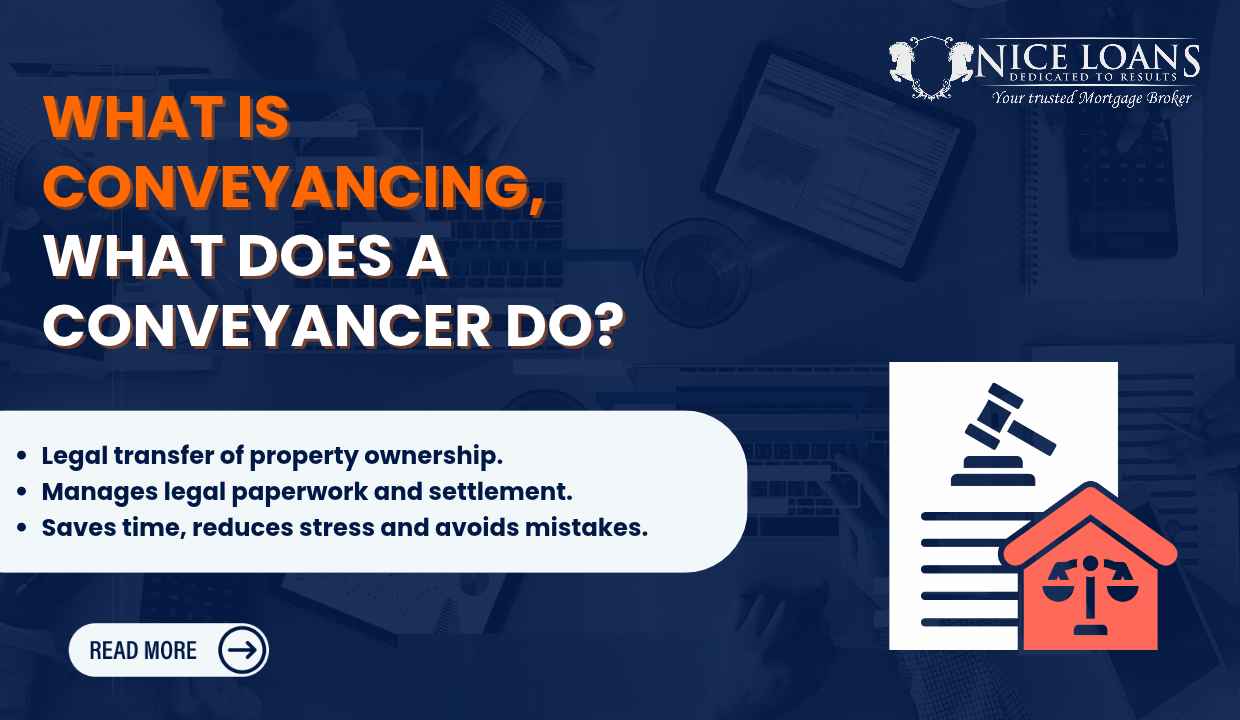
Conveyancing is the legal process of transferring property ownership from one person to another. In Australia, it plays an essential role in buying and selling real estate, ensuring that the transfer is completed correctly and that all relevant legal requirements are met.
But it’s not simply a matter of signing a few documents and handing over the keys. There’s quite a bit happening behind the scenes! The process involves preparing, reviewing and lodging legal documents, checking property records, addressing any potential issues with the title and coordinating the various steps leading up to settlement.
Conveyancing generally covers three key stages: pre-contract, pre-settlement and post-settlement. Each stage has its own requirements and deadlines, which is why having the right professional involved early can make a significant difference.
From a mortgage broker’s perspective, conveyancing is also an important part of the home-buying journey because the legal and financial sides of a purchase need to work together. Your lender may require specific documents and arrangements before releasing funds, while your conveyancer coordinates the legal requirements needed for settlement.
Ultimately, good conveyancing helps keep your property purchase on track, so you can focus on preparing for your new home rather than chasing paperwork or worrying about missed deadlines.
Check out the Australian Governement 5% Deposit Scheme to enter the home purchase market faster, without a high deposit or an LMI.
Is a Conveyancer the Same as a Solicitor?
While both conveyancers and solicitors can assist with the legal aspects of buying and selling property in Australia, their qualifications, scope of work and areas of expertise differ.
A conveyancer is a licensed professional who specialises in property transactions. Their primary responsibility is to manage the legal and administrative requirements involved in transferring property ownership. This includes reviewing contracts, conducting property searches, preparing relevant documents and coordinating settlement.
A solicitor, on the other hand, is a fully qualified lawyer with broader legal training. While solicitors can handle conveyancing work, they can also provide legal advice across a wider range of matters, including disputes, estate planning, commercial law and complex property issues.
So, which one should you choose? For a straightforward property purchase or sale, a licensed conveyancer may be perfectly suited to handle the transaction. However, if your purchase involves complicated ownership arrangements, contract disputes, unusual property conditions or other legal concerns, a solicitor may be the better option.
You may also come across the term conveyancing solicitor. This simply refers to a solicitor who specialises in property law and regularly handles conveyancing matters. As a mortgage broker, I believe the important thing is to choose a professional who understands your transaction and can work effectively with your broker, lender and other parties involved. The right choice isn’t necessarily the one with the longest list of qualifications but the one with the appropriate expertise for your circumstances.
Are you an Australian citizen living abroad but wish to purchase a home here? It’s possible, Australian expat home loan and mortgage options are readily available.

How Much Does a Conveyancer Cost in Australia?
The cost of hiring a conveyancer in Australia can vary depending on the property’s location, the complexity of the transaction and the professional you choose. A straightforward residential purchase will generally cost less than a transaction involving multiple titles, unusual ownership arrangements or complicated legal requirements.
When budgeting for conveyancing, it’s important to understand that the total cost usually consists of two components: professional fees and disbursements.
Professional fees cover the conveyancer’s time and expertise, including reviewing contracts, preparing legal documents, conducting the necessary checks and coordinating settlement. Disbursements are additional expenses paid to third parties on your behalf, including title searches, property searches, registration fees and applicable government charges.
Some conveyancing firms offer fixed-fee packages, while others charge according to the work involved. Before engaging a professional, ask for an itemised quote so you understand exactly what’s included and whether additional charges may apply.
Reduce taxable income by allowing deductions through investment property depreciation.
What Does a Conveyancer Do?
Contrary to what you might assume, a conveyancer does much more than shuffle paperwork between parties. They’re responsible for managing the legal side of a property transaction, making sure the necessary checks, documents and deadlines are taken care of before ownership changes hands.
For Buyers
When buying a property, your conveyancer acts in your interest throughout the transaction, helping you understand your obligations and identifying potential legal issues before they become expensive surprises.
Some of their key responsibilities include:
- Reviewing the contract of sale: They examine the contract’s terms and conditions, explain important clauses and flag anything that could affect your purchase.
- Conducting property searches: They research the property, examine its certificate of title and arrange relevant searches to identify easements, restrictions, outstanding notices or other potential concerns.
- Managing legal documents: They prepare and lodge the necessary transfer documents and coordinate any paperwork required for settlement.
- Handling deposit arrangements: They help ensure the deposit is paid and held in the appropriate trust account.
- Calculating settlement adjustments: They work out how rates, taxes and other property expenses should be divided between the buyer and seller.
- Coordinating with your lender: They communicate with your bank or financial institution to ensure the necessary loan and settlement arrangements are in place.
- Managing settlement: They coordinate the transfer of funds and ownership, ensuring the relevant requirements are satisfied.
- Keeping you informed: They provide updates throughout the transaction and confirm once the property has officially settled.
Maximise investment property tax deductions too boost wealth.
For Sellers
Selling a property involves its own set of legal requirements. Your conveyancer helps prepare the necessary paperwork and ensures the transaction progresses smoothly once a buyer is secured.
Their primary responsibilities typically include:
- Preparing the contract of sale and other relevant legal documents.
- Providing the buyer’s representative with requested property and title information.
- Responding to questions raised by the buyer’s conveyancer or solicitor.
- Coordinating with your lender if an existing mortgage needs to be discharged.
- Managing settlement arrangements and ensuring the required documents are completed.
- Addressing requests for settlement extensions or other contractual changes where appropriate.
- Confirming when the sale has been finalised and ownership has transferred.
Is it better to rent or buy in Australia?
How Does Your Conveyancer Work With Your Mortgage Broker?
This is an important part of the process that buyers sometimes overlook. Your mortgage broker and conveyancer might have different responsibilities, but their work often overlaps.
For example, once your finance is approved, with your broker working along with your conveyancer, they can coordinate with your lender on the mortgage documents and settlement arrangements. They also help ensure the lender has the information required to release funds on time. This communication is particularly important when you’re working towards a specific settlement date. A delay in finance, missing paperwork or an overlooked requirement can affect the entire transaction.
At Nice Loans, we understand that securing finance is only one part of buying a home. Having the right professionals working together helps make the journey from loan approval to settlement much more manageable.

The Conveyancing Process
Buying a property involves several legal and financial milestones, and knowing what happens at each stage can make the experience far less overwhelming. And here’s the good news, you don’t have to figure everything out yourself. Your conveyancer coordinates the legal requirements, while your mortgage broker helps keep the finance side moving.
Although the exact steps can vary depending on the state or territory, the type of property and the terms of the contract, the conveyancing process generally follows five key stages.
Getting Everything Ready
The conveyancing process can begin before you’ve even signed a contract. In fact, engaging a conveyancer early is one of the smartest moves you can make when buying a property. At this stage, your conveyancer can help you understand the legal requirements of the purchase, review relevant property information and identify potential concerns before you commit.
This may involve:
- Reviewing the property’s title and ownership details.
- Checking for easements, restrictions and other interests affecting the property.
- Arranging relevant property searches and reviewing available records.
- Identifying potential issues, such as outstanding notices or unapproved building work.
- Explaining important contractual conditions and deadlines.
Here’s a little tip: this is also a good time to get your finance preparations underway. If you’re still comparing home loan options or waiting for formal approval, understanding your borrowing position can help you avoid committing to a property before your finances are ready. Check out our borrowing power calculator to get a helpful estimate.
Understanding What You’re Signing
Once you’ve found a property you’re interested in, the next step is reviewing the contract of sale. This is where your conveyancer examines the terms and conditions to ensure you understand your obligations before signing.
Remember, a contract is more than just a formality, once signed, it can create legally binding obligations. Therefore, it’s important to know exactly what you’re agreeing to. Depending on the state or territory, certain property disclosures must also be provided before a contract is signed.
Explore tips on how to negotiate a home purchase for the best deals.
Getting Your Finance and Paperwork in Order
Once the contract is signed, the focus shifts towards preparing for settlement. This is where your conveyancer and mortgage broker need to work particularly closely. Your conveyancer coordinates the legal documentation, while your broker works with the lender to ensure your home loan is progressing as expected.
During this stage, your conveyancer will typically:
- Prepare the transfer of land and other required documents.
- Coordinate with the seller’s legal representative.
- Confirm property searches and outstanding requirements have been addressed.
- Calculate adjustments for council rates, water charges and other applicable expenses.
- Coordinate settlement arrangements with your lender.
- Ensure the necessary legal documents are ready for settlement.
Meanwhile, your mortgage broker can help monitor the loan approval process, follow up with the lender and ensure any outstanding finance requirements are addressed. It’s also worth noting that lenders may require a property valuation, additional documentation or confirmation of certain conditions before releasing funds.
Making the Property Officially Yours
Settlement is the moment everything comes together. It’s when the buyer’s funds are transferred, the seller receives payment, and the legal transfer of ownership is completed. Your conveyancer coordinates the settlement process, working with the seller’s representative and your lender to ensure all parties meet their obligations.
For most residential transactions, settlement is now completed electronically through platforms such as PEXA, rather than through a traditional in-person meeting. On settlement day, the key tasks generally include:
- Confirming all required funds are available.
- Finalising outstanding financial adjustments.
- Coordinating the transfer of purchase funds.
- Lodging the necessary transfer and mortgage documents.
- Arranging the discharge of the seller’s existing mortgage, where applicable.
- Confirming that settlement has been completed.
Once everything is finalised, your conveyancer will notify you that the property has officially settled. And this is usually the point where you can finally arrange to collect your keys.
Check out fixed rate vs variable rate home loans to choose a home loan based on your personal finances and interest rate predictions.
Wrapping Up the Transaction
Congratulations on getting your home keys, but there are still a few administrative tasks to complete after settlement. Your conveyancer ensures the remaining legal requirements are finalised, including confirming that the transfer has been registered and the relevant ownership records have been updated.
Depending on the transaction, this may involve:
- Confirming registration of the transfer with the relevant land titles office.
- Ensuring the new mortgage has been registered.
- Providing confirmation and final settlement statements.
- Ensuring any outstanding settlement matters are addressed.
- Supplying copies of relevant documents for your records.
Your lender will also finalise its mortgage arrangements, while you can turn your attention to moving in, organising utilities and settling into your new home.
Benefits of Using a Professional Conveyancer
Buying or selling a property is a significant financial commitment, and the last thing you want is for a paperwork issue or missed deadline to tank on you. While it might be tempting to handle some of the administrative tasks yourself, working with an experienced conveyancer can make the entire experience considerably easier.

Expert Knowledge of Property Law
Property transactions involve various legal requirements, contractual obligations and documentation. Unless you’re familiar with property law, understanding all the finer details can be challenging.
A professional conveyancer understands the relevant procedures and knows what to look for when reviewing contracts, conducting searches and preparing documents. They can also identify potential issues, such as easements, title restrictions or outstanding notices, that could affect your purchase. This expertise helps ensure that important details aren’t overlooked before you commit to the transaction.
Did you know that there are also home loans for low income earners?
Saves You Time and Effort
Between arranging finance, attending inspections, organising insurance and preparing for the move, buying a home already comes with a lengthy to-do list. Adding the legal administration to that list can make things even more complicated.
A conveyancer takes responsibility for preparing documents, coordinating with the other party’s representative, communicating with relevant authorities and keeping track of important deadlines. This allows you to focus on other aspects of your purchase without constantly worrying about whether a document has been lodged or a requirement has been met.
Helps Reduce Stress and Uncertainty
There’s plenty to think about when purchasing a property, particularly if you’re buying your first home. Having someone who understands the process and can explain what’s happening at each stage makes a real difference. Which is why, your conveyancer can answer questions, clarify contractual obligations and keep you updated as the transaction progresses. Rather than trying to decipher unfamiliar legal terminology yourself, you’ll have a professional guiding you through the process and helping you understand what’s required.
Helps Avoid Costly Mistakes
Property transactions involve substantial amounts of money, so even a seemingly minor oversight can have financial consequences. An experienced conveyancer helps identify potential concerns before they become bigger problems. This could include unclear contract conditions, title discrepancies, outstanding property notices or missed settlement requirements.
While no professional can guarantee that every complication will be avoided, having someone review the details and manage the legal requirements can significantly reduce the risk of preventable mistakes.
Discover the best time to refinance your home loan.
Keeps Documents and Deadlines on Track
Property transactions involve multiple parties, including buyers, sellers, lenders, real estate agents and government authorities. Getting everyone on the same page requires careful coordination.
Your conveyancer helps manage the documentation, communicate with the relevant parties and ensure important requirements are addressed within the required timeframes. This is particularly important when working towards a settlement date, as delays in completing certain requirements can affect the entire transaction.
Who Needs a Conveyancer?
You might associate conveyancing with buying a house, but transferring property ownership isn’t limited to traditional residential purchases. There are several situations where having a professional manage the legal requirements can make a significant difference. Here are some of the people who may benefit from professional conveyancing services:
- First home buyers: A conveyancer can help first home buyers understand the contract, identify potential property concerns and guide you through the legal requirements involved in the purchase.
- Property investors: Purchasing an investment property may involve additional considerations, including ownership structures, tenancy arrangements and property-specific legal requirements. An experienced conveyancer can help manage the transaction.
- Homeowners upgrading or downsizing: Whether you’re buying a larger home, moving somewhere smaller or coordinating the sale of your existing property with a new purchase, having professional support can help keep both transactions organised.
- Property sellers: If you’re selling a property, a conveyancer can prepare the required documentation, respond to enquiries from the buyer’s representative and coordinate the sale through to settlement.
- Couples managing separation: There are many legal and financial considerations following a separation that need to be taken care of. What do you even do with your mortgage after divorce? Conveyancers can come in handy here. Depending on the circumstances, you may also need a family lawyer to advise on the broader arrangements.
- Families managing deceased estates: Transferring or selling property following someone’s death can involve probate, estate administration and other legal requirements. A solicitor may be needed where broader estate-related advice is required.
- Developers and property subdividers: Subdividing land or transferring multiple property titles can involve additional approvals, documentation and registration requirements. These transactions often benefit from professionals with experience in more complex property matters.
How to Find and Choose a Good Conveyancer?
Choosing the right professional to manage your property transaction deserves just as much thought as choosing your mortgage broker or real estate agent. After all, this is the person responsible for overseeing legal requirements and helping you get from contract signing to settlement.
But with so many professionals offering conveyancing services, how do you know who to trust? A good starting point is to ask friends, family or colleagues who have recently bought or sold property for recommendations. You can also ask your mortgage broker, real estate agent, accountant or lawyer if they know experienced professionals in your area.
Online reviews and professional directories can help you build a shortlist, but don’t make your decision based on ratings or price alone. It’s worth speaking with a few prospective conveyancers to understand how they work and whether they’re suited to your transaction.

Get a home loan with zero deposit with no deposit home loans.
Check Their Qualifications and Licensing
First, make sure the professional is appropriately qualified and authorised to provide conveyancing services in the state or territory where the property is located. Licensing and registration requirements differ across Australia, so it’s important to check the relevant regulatory authority rather than assume the rules are the same everywhere.
Look for Relevant Experience
Not every property transaction is the same. A straightforward residential purchase may require a different level of expertise from a property subdivision, deceased estate transfer or a transaction involving complicated ownership arrangements.
Ask how frequently they handle transactions like yours and whether they have experience dealing with any specific issues affecting the property. The aim is to find a professional who understands your circumstances rather than someone who simply offers a standard service.
Thinking to buy your first home in Queensland? First home buyer grants qld help maximise savings on your purchase.
Understand Their Fees and What’s Included
Before engaging a professional, request an itemised quote outlining their fees, disbursements and any additional charges that may apply. Ask whether the quoted amount covers contract reviews, property searches, settlement coordination and post-settlement requirements.
Consider Their Communication Style
Buying or selling property can involve plenty of questions, particularly if it’s your first transaction. You want someone who explains things clearly, responds within a reasonable timeframe and keeps you informed when something needs your attention. During your initial conversation, pay attention to how they communicate. These might seem like small details, but clear communication becomes particularly valuable when you’re working towards a settlement deadline.
Make Sure They Can Work With Your Other Professionals
Your conveyancer will need to communicate with your mortgage broker, lender, real estate agent and the other party’s legal representative throughout the transaction. Ask how they manage these communications and whether they have experience coordinating electronic settlements through platforms such as PEXA.
Ultimately, when you choose a conveyancer, look beyond the cheapest quote. Find one that meets your needs, understands your transactions and makes you feel confident that the legal requirements are being managed properly. A little research before signing an engagement agreement can save you considerable stress when settlement day approaches.
Check us out at Nice Loans, your Australia-wide mortgage solutions for professional home loan assistance. Having professionals who communicate proactively can make the journey from loan approval to loan settlement much smoother.