

Are you buying an investment property or at least considering the purchase? Property investment is about more than finding the right suburb, securing finance and welcoming your first tenant. Once the property is generating rental income, many investors ask this question: how can I make the most of the deductions available to me?
That’s exactly where investment property depreciation comes in. Depreciation allows eligible property investors to claim deductions for the gradual decline in value of certain parts of a property and its assets. While it isn’t a cash expense you pay each year, it can still create a valuable tax deduction and potentially improve the after-tax cash flow of your investment.
From a mortgage broker’s perspective, this matters because property investment isn’t just about whether you can afford the home loan today. It’s also about understanding the ongoing costs, cash flow and tax considerations that can influence the overall position of your investment properties.
In this guide, we’ll break down how property depreciation works in Australia, what you may be able to claim, how the rules differ between newer and established properties and why a depreciation schedule can be worth considering as part of your broader property investment strategy.
Find out whether it’s better to rent or buy in Australia.
What is Investment Property Depreciation?
When you buy a property, you’re not just buying four walls and a roof, but you’re buying a collection of assets that will naturally decline in value over time. The Australian tax system recognises this phenomenon and, in certain circumstances, allows property investors to claim depreciation as a deduction.
Generally, there are two areas to consider here: capital works and plant and equipment.
Capital Works
Capital works generally relates to the building itself and its permanent structural components. Depending on the property and when construction or improvements took place, this can include walls, roofs, windows and other fixed elements.
A capital works deduction is generally claimed over a number of years rather than all at once. For eligible residential properties, the applicable depreciation rate and period depend on factors including when the construction was completed and the nature of the work.
Buying your first home in VIC? Check out First Home Owner Grants VIC for eligibility rules and application tips.
Plant and Equipment
Plant and equipment refers to eligible assets that can generally be removed from the property without affecting its structure. Depending on the circumstances, examples are carpets, blinds, ovens, air conditioning units and other appliances.
These plant and equipment assets have their own effective lives and depreciation rules and the rules for claiming depreciation on these items can differ depending on whether you purchased a new or established property and when it was purchased.
Why Depreciation Schedule Matters
A depreciation schedule is a report that sets out the eligible depreciation items associated with the property, their values, effective lives and the deductions that may be available over time. It provides a structured record that your accountant can use when preparing your tax return.
A qualified quantity surveyor can inspect the property and assess the relevant construction costs and depreciable assets before preparing the schedule. This can be particularly useful when original construction records are incomplete or unavailable.
For property investors, the benefit is not simply about finding a single large deduction. A properly prepared depreciation schedule can help identify deductions across the relevant years and reduce the risk of overlooking eligible items.
Combine multiple debts into one home loan for simpler repayments through debt consolidation.
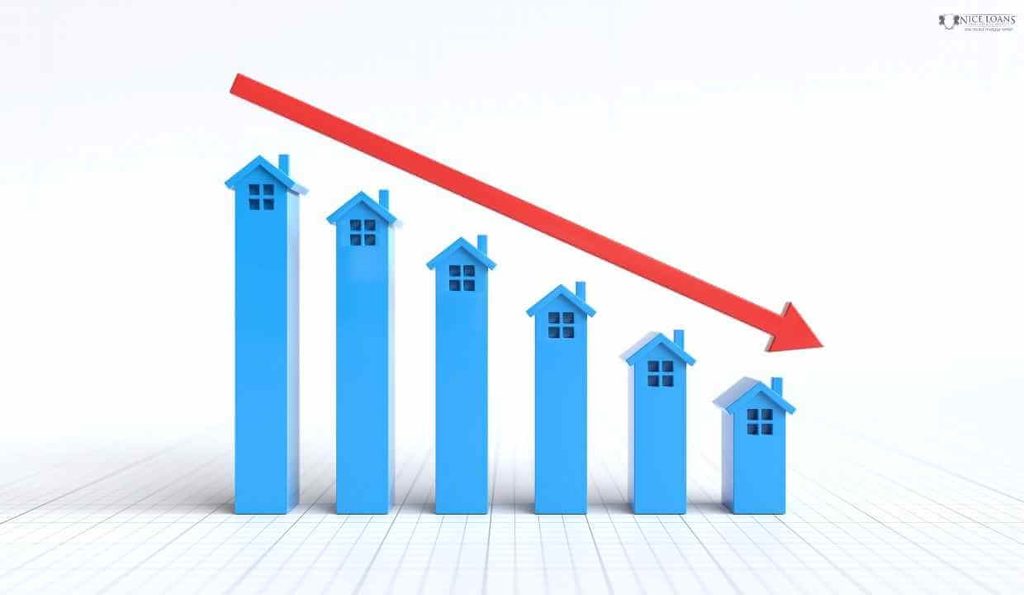
How Does Investment Property Depreciation Work in Australia?
Once you understand what depreciation is, the next question is: how does depreciation work when you own an investment property? The answer depends on what you’re claiming, when the property was built, when you purchased it and whether the relevant asset is part of the building or a separate item.
The Australian Taxation Office (ATO) generally divides property depreciation into two main categories: Division 43: capital works and Division 40: plant and equipment.
You Might Be Interested In: Using Home Equity To Buy Investment Properties.
Division 43: Capital Works Deductions
Division 43 generally covers eligible construction expenditure relating to the building and its structural components as we’ve already briefly mentioned before.
For many eligible residential properties, the depreciation rate for capital works is generally 2.5% per year over 40 years. However, the applicable rules can vary, so it’s important to establish when the property was built and what construction or improvement work has been carried out.
Division 40: Plant and Equipment
Division 40 generally represents depreciating assets that are separate from the building itself, exactly where plant and equipment come into play.
This is an area where property investors need to pay close attention to the purchase date and the type of property involved. Following changes introduced in 2017, owners of certain established residential properties generally can’t claim depreciation for previously used plant and equipment assets acquired with the property. However, there are circumstances where depreciation may still be available for eligible assets that the owner purchases and installs themselves.
Wondering whether to go for an investment loan or an owner occupier? Give our guide a go to understand the distinctions.
New Vs Established Investment Properties
When it comes to property depreciation, age matters, but it isn’t the only thing that matters. The distinction between new properties and established properties became particularly important following changes to the tax treatment of previously used plant and equipment assets acquired with certain residential properties from 1 July 2017. This means that two investment properties with similar prices, rents and floor plans can still have very different depreciation outcomes.
Depreciation On Established Properties
If you’re buying an established property, don’t assume there are no depreciation benefits available. While certain owners of second-hand properties no longer claim deductions for previously used plant and equipment assets that came with the property, eligible capital works deductions may still be available. You may also be able to claim depreciation for eligible new assets you purchase and install yourself after acquiring the property.
Living overseas doesn’t mean you cannot buy an Australian property. Check out our guide on Australian expat home loans to learn more.
Depreciation On New Properties
Newer properties can provide a different depreciation profile. If you purchase a brand new property, you may generally be able to claim deductions for both eligible capital works and qualifying new depreciating assets, subject to the applicable tax rules.
For example, a new residential investment may contain eligible assets such as carpets, blinds, air conditioning, appliances and other depreciating items. Because these assets haven’t previously been used by another owner, the restrictions that apply to certain previously used assets in established properties generally don’t apply in the same way. Likewise, capital works can also provide deductions over the relevant period.
Rent where you love, invest where you can afford through rentvesting.
How to Calculate Depreciation on an Investment Property?
Once you know what may qualify, the next question is usually, how much can I claim? And this is where depreciation calculations can become quite technical. Different assets have different effective lives, and the amount you can claim depends on factors such as the type of asset, when it was acquired, how it is used and the depreciation method that applies.
Purchase your dream property at just 5% Deposit with the Australian Government 5% Deposit Scheme.
Prime Cost Method
The prime cost method, sometimes called the straight-line method, spreads an asset’s depreciable value evenly over its effective life. In simple terms, you claim a similar amount of depreciation each year, provided the relevant circumstances remain unchanged.
This can make the method easier to understand when you’re forecasting the longer-term deductions associated with an asset. However, whether it is the appropriate method for a particular asset depends on the applicable tax rules and your circumstances.
Purchasing a home? Check out all the tips to negotiate a home purchase for the best deal.
Diminishing Value Method
The diminishing value method generally provides larger deductions in the earlier years of an asset’s effective life, with the deduction reducing over time. For an investor, that can mean a larger depreciation deduction in the early years of ownership than under the prime cost method, depending on the asset and circumstances.
While calculating everything yourself with a tax depreciation calculator can give you a rough indication, it isn’t a substitute for assessing the actual property. A calculator doesn’t know the construction history of your building, what renovations have been completed, which assets are eligible or whether particular items fall under capital works or plant and equipment.
It is a professionally prepared depreciation schedule that brings those details together. A quantity surveyor can inspect your property and identify eligible construction expenditure and depreciating assets. They can then prepare the relevant figures for your accountant to consider when completing your tax return. The result is a much more property-specific assessment than simply entering a purchase price into an online calculator.
Try low income home loans for flexibility with easier criteria and lower deposits.

How to Claim Depreciation on Your Investment Property?
Knowing that a deduction may be available is one thing and knowing exactly how to document it properly is another. If you own an investment property, the usual starting point is to have a qualified quantity surveyor assess the property and prepare a depreciation schedule.
For many investors, arranging a depreciation schedule soon after settlement can make sense. Getting the property assessed early means you have the relevant information available when tax time arrives. However, if you’ve owned an investment property for some time without claiming eligible depreciation deductions, speak with your accountant about whether previous returns can be amended and what records may be required.
Once calculations are complete, hand your depreciation schedule to your accountant or provide the figures directly. Remember to keep all your receipts, reports, and prior adjustments safely stored in case of an audit.
What are the Benefits of Investment Property Depreciation?
For investment property owners, depreciation can be one of the most useful deductions available when the relevant requirements are met.
Reduce Taxable Income
Claiming eligible depreciation deductions may reduce your taxable income from an investment property. For investors with rental income, this can potentially reduce the amount of tax payable for the financial year, depending on their individual circumstances. This is one reason understanding property tax depreciation can be worthwhile when assessing the ongoing costs of holding an investment.
Ask questions to your mortgage broker to understand your options and strengthen your home loan goals.
Potentially Improve After-Tax Cash Flow
While a tax deduction doesn’t put the deduction amount directly into your bank account, if the deduction reduces your tax liability, it may improve your overall after-tax position. As a mortgage broker, I believe this is particularly important because when we’re looking at the cash flow of an investment property, the actual money moving in and out still matters. From rent received, loan repayments, interest rates, to insurance, maintenance and other expenses, all need to be considered.
Recognise the Wear and Tear of Eligible Assets
Buildings and assets don’t remain in the same condition forever. Carpets wear, appliances become outdated, and building components deteriorate. The tax system recognises this through specific depreciation rules for eligible assets and construction expenditure. A depreciation deduction therefore reflects the decline in value of qualifying assets over their effective lives rather than representing a cash expense you’ve necessarily paid during the year.
Transfer existing home loan to a new property through home loan portability.
Help You Understand the Investment’s After-Tax Position
When you’re comparing investment properties, it’s easy to focus heavily on the purchase price, rental yield and loan interest rate. Those figures are important, but they aren’t the whole story.
Potential tax deductions can also affect the after-tax cost of holding a property. A properly prepared depreciation schedule can help your accountant identify the deductions that may be available, giving you a more complete picture of the property’s financial position. This can be especially useful when you’re considering whether to hold one property, purchase another or make changes to an existing portfolio.
Does a Depreciation Schedule Expire?
A depreciation schedule may continue to be useful for the life of the relevant property and assets, rather than being something you need to purchase every year. However, the property’s circumstances can change, and these changes can affect the deductions available, so it’s worth keeping your depreciation records updated and telling your accountant about significant changes.

Common Investment Property Depreciation Mistakes to Avoid
Depreciation can be valuable, therefore, it isn’t something you want to guess your way through. The rules can be technical, and small details, such as when an asset was purchased, when construction was completed or whether an item is part of the building, can all affect the deductions available. Here are some of the common mistakes worth avoiding:
Assuming an older property has nothing to claim
One of the biggest misconceptions is that older properties aren’t worth investigating for depreciation. While the rules restrict certain deductions for previously used plant and equipment in eligible second-hand residential properties, that doesn’t mean every deduction disappears. Eligible capital works may still be available, and investors may be able to claim depreciation for qualifying new assets they purchase and install themselves.
Explore smart strategies for property investment.
Treating the purchase price as the depreciable amount
Your property’s purchase price isn’t the same thing as its depreciable value. For instance, land isn’t depreciable, and the building needs to be separated from eligible depreciating assets. Applying a percentage to the entire purchase price is therefore not an appropriate way to calculate your deduction.
Relying entirely on a calculator
A depreciation calculator can be useful for a rough estimate, but it can’t inspect your property or understand its complete history. It won’t necessarily identify every eligible asset, investigate previous renovations or determine which construction costs may qualify. For investors serious about understanding their potential deductions, a property-specific assessment is generally much more useful than relying only on a calculator.
Overlooking renovations and improvements
Renovations aren’t just about making a property look better. Depending on what was done, when the work was completed, and who incurred the expenditure, renovations and improvements may have depreciation implications.
If you’ve renovated a kitchen, replaced flooring, upgraded air conditioning or made other significant improvements, keep the invoices, contracts and relevant records because your accountant and quantity surveyor can then determine how those costs should be treated
Learn more about how much house you can afford using income, debts and downpayment.
Forgetting about newly purchased assets
An established property doesn’t mean you can’t claim depreciation for new assets. If you purchase and install eligible assets yourself, the applicable rules may allow you to claim depreciation for those assets.
Assuming depreciation is profit and cash flow
Keep this in mind: a depreciation deduction isn’t the same as rental income. If your investment property costs $500 a week more to hold than the rent it generates, a depreciation deduction doesn’t make that $500 weekly cash shortfall disappear. It may reduce taxable income and potentially improve your after-tax position, but you still need enough actual cash flow to meet your loan repayments and property expenses. When we’re assessing finance for investment properties, we look at the real money coming in and going out, not just the tax deductions on paper.
Understand negative gearing vs positive gearing to learn how your investment income can compare with the cost of ownership.
Trying to maximise deductions without understanding the rules
The goal shouldn’t be to manufacture the biggest possible number but to claim depreciation deductions that you’re legitimately entitled to under the applicable rules. A professionally prepared schedule isn’t about finding creative ways around the tax system but about identifying eligible deductions accurately and documenting them properly.

Ultimately, to understand depreciation, you don’t have to be a tax expert. The important thing is knowing that eligible deductions may be available, and understanding what can influence those deductions while getting the right professionals involved is the way to go.
Always understand your property, understand the loan and the cash flow. Get in touch with us at Nice Loans, your Brisbane based mortgage broker, to learn more about investment home loans and connect with the best lenders for profitable investments.
FAQ’s
What is a depreciation schedule?
A depreciation schedule is a detailed report prepared for a specific property that identifies eligible construction expenditure and depreciating assets, along with the deductions that may be available over time.
Is a depreciation schedule worth getting?
For many property investors, having a professional depreciation schedule can be worthwhile because it can identify eligible deductions that may otherwise be overlooked.
Can I claim depreciation without a quantity surveyor?
There are circumstances where taxpayers may calculate certain deductions themselves, but property depreciation given its complexity requires a quantity surveyor who has specialised knowledge of construction costs, and can inspect the property to identify depreciable components better.