Securing a home loan for low income earners can be challenging, but it’s not impossible. While stricter rules are applied to applications from low-earning individuals and families, with the right understanding of available options, preparation and strategy, there are several pathways to homeownership.
This guide breaks down how home loans for low-income earners work, why approval can be harder and practical ways to improve your chances of making your home settlement dreams come true.
Transfer your existing home loan to a new property with home loan portability!
Why is It More Difficult to Get Home Loans for Low-Income Earners?
Getting approved for a home loan on a lower income can be challenging; it’s a no-brainer. But you need to understand that the issue isn’t just how much you earn, it’s how lenders assess risk and your ability to manage repayments over time.
While lower income can make it harder to qualify, the real deciding factors are affordability and financial discipline/behaviour. And this ability is inspected by two key criteria:
- Borrowing Power: One of the many obstacles is your capacity to borrow. When your income is lower, the amount you can realistically afford to repay each month is also limited. As a result, lenders may only approve you for a smaller loan or, in some cases, decline the application altogether if they think that you cannot commit to the repayments.
- Debt-to-Income Ratio (DTI): This measures how much of your income would go toward repaying debts, including your mortgage. Most lenders prefer that total home loan repayments stay within roughly 30-40% of your income. If your DTI ratio is too high, it indicates financial strain; therefore, you can lose your chances of home loan approval.
Someone with a modest income but low expenses and minimal debt may be more viable for a home loan than one earning more but carrying significant financial obligations. When it comes to low income mortgage, lenders often weigh your overall financial behaviour just as heavily as your income itself.
Read: Offset Account Vs Redraw: The Core Differences.
Understanding Home Loans for Low Income Earners
Low-income home loans are mortgage products specifically designed to help individuals and families with limited or modest incomes buy a home. Unlike standard home loans, these are tailored to reduce common barriers that discourage low-income earners from homeownership, such as high deposit requirements, strict income thresholds, and strict approval criteria.
A low-income home loan makes homeownership more accessible by adjusting the way lenders assess risk. Instead of focusing solely on a high salary, lenders may take a more holistic view of your financial situation, including your spending habits, savings history, and alternative income sources.
Turn your home loan debt into tax-deductible debt by debt recycling.
What Do Low Income Home Loans Offer?
One of the key advantages of low-income home loans is their flexibility. These loans offer:
- Easier Qualification Criteria: Designed for borrowers who may not meet traditional lending standards.
- Lower Deposit Requirements: Some loans allow you to buy a home with a smaller upfront payment.
- Competitive or Reduced Interest Rates: Helping keep monthly repayments more affordable.
- Higher Loan-to-Value ratios (LVRs): Enabling you to borrow a larger portion of the property’s value.
Learn everything about property purchase through a trust with trust home loan!
There are also cases where low-income home financing options are supported by government initiatives or specialist low-income mortgage lenders, which further improve accessibility. These programs can include subsidies, guarantees, or shared equity schemes that reduce the financial burden on the borrower.
Overall, a low-income mortgage provides a practical pathway into the property market for those who might otherwise be excluded. While they still require careful financial planning and responsible borrowing, they can be an effective stepping stone toward long-term homeownership.

Buy a new home before selling your current one with bridging loans!
How to Get a Mortgage on a Low Income?
Applying for a mortgage on a lower income requires a very careful and strategic approach. While it’s definitely achievable, you should be prepared for lenders to examine your application in greater detail. Even small issues, including inconsistent savings or minor credit problems, can be serious when you’re a low-income earner.
Australian expat home loans allow you to buy property in Australia while living overseas.
When you’re applying for a home loan, success often comes down to aligning three key factors: your financial position, your loan size, and the property you choose. If these three are well-balanced, your application will appear dazzling in the eyes of the lenders.
Here’s a guide on how to get a mortgage on a low income:
Provide Assurance
Lenders are most worried about whether you will be able to repay the borrowed amount. They will closely evaluate your income, including any additional sources, your living expenses, existing debts and financial commitments. They will compare your existing mortgage repayments with your disposable income to determine whether you can comfortably afford the loan, even if interest rates rise.
If the calculations conclude that the repayments for the home loan would stretch your budget too thin, your application is unlikely to be approved. This is why demonstrating strong financial discipline is essential when applying for a low-income mortgage.
Pay your mortgage faster by making extra repayments or switching to fortnightly payments!
Property Type and Price
The type of property you choose can significantly influence your chances of securing a low-income home loan. Lenders assess both the price of the property and the level of risk associated with it.
You can never swallow a bone that’s too big for your throat. As a low-income earner, if you try to look for properties way above your budget, you are bound to choke. The more expensive the property, the larger the loan and the harder it becomes to justify affordability.
To improve your chances, you need to look at more affordable suburbs or regional areas. Consider going with smaller property types like townhouses or duplexes. Do not be grim about it, treat your first property as if it were a stepping stone rather than a forever home. Remember, you can always do more.
Ultimately, buying within your means is one of the most effective ways to qualify for low-income home financing without putting yourself under financial stress.
Calculate your rental yield to find out your real profit after expenses on investment property!
Lender Risk Tolerance
Not all properties are viewed equally by lenders. Each lender has its own policies regarding what it considers acceptable risk.
Where some lenders may limit lending for very small apartments, be cautious about rural or acreage properties, avoid high-risk locations such as flood-prone or economically volatile areas, others may have completely different lending thresholds.
Consider going for lenders that most align with your circumstances. Because if the property you’re interested in falls outside a lender’s comfort zone, you can face high interest rates, larger deposit requirements and reduced borrowing capacity.

Tips on How to Secure Home Loans for Low Income Earners
Apply the right strategy, discipline and planning to successfully secure home loans as a low-income earner. The key is to present yourself as a low-risk applicant while making smart financial decisions that align perfectly with your income level.
Below are some practical and effective tips to help you qualify for a low-income home loan and move closer to homeownership.
Use low doc home loans for options for non-traditional income earners to buy property!
Choose a Low-Interest Loan
Interest rates play a massive role in determining affordability. Where a high interest rate means hefty monthly repayments, a lower rate means lower monthly repayments, which can significantly improve your borrowing capacity.
When exploring low-income mortgage lenders, compare your interest rates, fees, charges and home loan features. Even a slightly lower rate can make a noticeable difference over time, especially when working within a tight budget.
Find out what happens on settlement day to make preparations in advance.
Cut Off Non-Essential Spending
Lenders closely examine your spending habits. Figure it out before they do. Are you spending more than necessary? Chances are you might be. Reducing unnecessary expenses can improve both your savings and your overall financial profile. Try using our savings calculator to help work out how quickly you can save for a deposit based on your current budget.
Consider limiting dining out and entertainment expenses, maybe stop online shopping for a while and refrain from doing any buy now and pay later purchases. A cleaner bank statement can strengthen your application as it shows your ability to save, which is helpful for low-income home financing.
Save More
Consistent savings demonstrate financial discipline, something lenders value highly. You need to be able to show a growing savings balance and regular deposits over time. This assures lenders that you can manage money effectively and have a buffer for unexpected expenses.
Be Honest and Transparent
Always declare all debts and liabilities in your application. Lenders will verify your financial history, and any discrepancies can lead to rejection. Transparency builds trust, which is essential when applying for a low-income mortgage.
If you wish for an honest relationship with your lender where you’re informed of every loan detail, you should be able to provide the same.
Did you know that a buyer’s agent can help represent your interests and negotiate for you during property purchases?
Know that Income Isn’t Just Salary
Your total income can include more than just your wages or salary. If you’re into property investment, rental income is also a valuable source of income. There are freelance and side income options, including your commissions and bonuses. Even government benefits or child support can also be considered. This can be particularly helpful for applicants seeking mortgage loans for the disabled or those with non-traditional income streams like self-employed or freelancing individuals.
Stay in Your Budget
One of the smartest moves you can make to secure that home loan is by choosing a property that matches your financial reality. You can consider smaller homes, townhouses or duplexes. Properties in more affordable suburbs or regional areas can help you save on costs.
Buying within your means reduces financial stress and increases your chances of approval for home loan for low income borrowers.
Try Rentvesting
If you cannot afford to buy in your preferred location and do not wish to change, rentvesting may be a practical alternative. This strategy involves buying a more affordable investment property while continuing to rent where you currently live.
This way, you can enter the property market while maintaining your lifestyle and potentially earn rental income.
Borrow your full home price with zero deposit using no deposit home loans!
Try Gurantor Home Loans
A guarantor, often a family member, can help secure your loan by providing additional financial backing using their own property equity as security. This can help reduce lender risk, increase your borrowing capacity and help avoid large deposits.
However, guarantor arrangements carry massive risks, so you need to make sure both parties fully understand the responsibilities involved. Consult a mortgage broker for specific details.
Better Your Financial Health
While increasing your income can be an option, it can seem a little impractical. If you could increase your income whenever, why wouldn’t you have already done it? Therefore, it’s better to focus on improving other aspects of your finances instead.
Make sure to pay bills and debts on time, improve your credit score, and avoid unnecessary financial commitments. A strong financial profile can cross out lower income in the eyes of lenders, opening vast and better opportunities for you.
Save a Larger Deposit
The more you can contribute upfront, the less you need to borrow. A larger home loan deposit can improve your approval chances, reduce interest costs and lower lender risk. It’s one of the most effective ways to secure a home loan as a low income earner.
Did you know that you can refinance your home loan with bad credit?
Buy with a Smaller Deposit
You might be confused. Why am I asking you to buy with a smaller deposit after already advising you to save for a larger deposit to increase approval chances? Well, despite the deposit of at least 20% mandated in order to avoid paying LMI, having a smaller deposit is also allowed.
Find out how mortgage works after your divorce!
Saving up for a 20% deposit takes time, and in that time, the cost of your chosen property can rise, even more than the cost of LMI. While you sit waiting to save up for your home loan deposit, the opportunity will be gone. Therefore, instead of waiting, if possible, consider buying with a smaller deposit.
Please note that, before you go through with the idea, make sure the benefits and savings from LMI payments outweigh the cost of saving longer and any potential high interest rate your high loan-to-value ratio may attract.
Consider a Longer Loan Term
The longer your loan term, the lower your monthly repayment. As a low-income borrower, repayments can be especially difficult to stay consistent with. Here, if you extend your loan term, you can reduce your monthly repayments, making the loan more manageable on a lower income.
However, you need to keep in mind that longer terms may result in higher total interest over time, so make sure to choose wisely.
Rent now with the option to buy later with rent to buy schemes!
Measure Affordability Realistically
Only apply for loans you are confident you can manage. Multiple loan applications in a short amount of time not only negatively affect your credit score but also showcase unreliability. Stick to one application at a time and be realistic about your choices. This way, your chances of approval remain high, and your financial health is also protected.
Consult a Professional
A mortgage broker can be especially valuable when navigating home loans for low-income earners. They can match you with suitable lenders, help structure your application, and identify opportunities you might miss.
Working with experts who understand low-income mortgage lenders can significantly increase your chances of success.
What is the Lowest Income that Lenders Accept for a Loan?
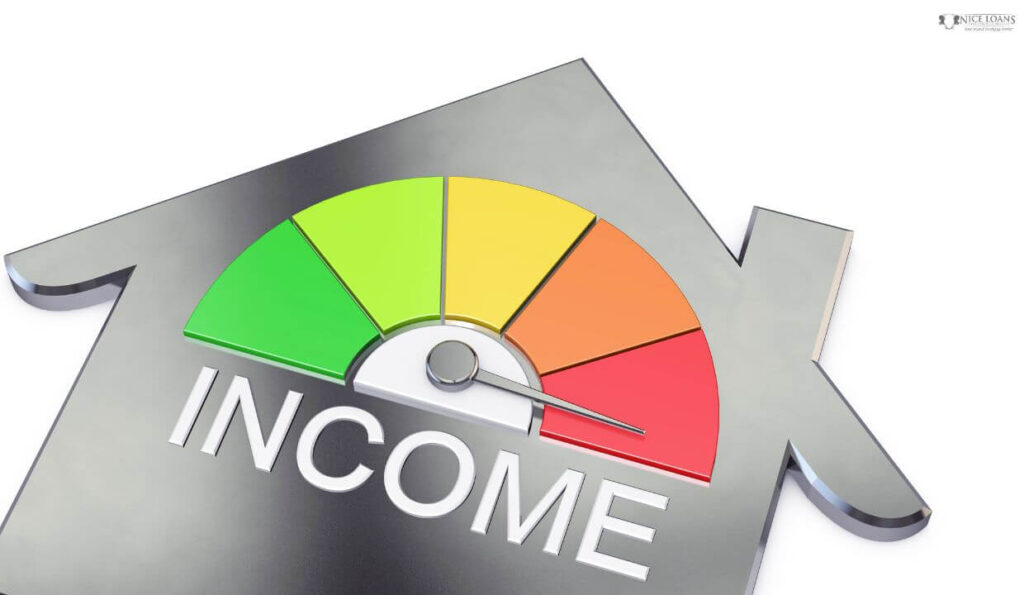
There’s no fixed or official minimum income required to qualify for a home loan. Instead, lenders focus on whether you can realistically afford the repayments based on your overall financial situation.
When assessing applications, especially for home loans for low-income earners, lenders look beyond your raw income and evaluate your ability to service the loan. This means they calculate whether you can comfortably meet repayments after covering your taxes, basic living expenses, existing debts and other financial commitments.
With a stress test, they assess your ability to repay at a higher interest rate than the current one to ensure you could still manage repayments if rates rise in the future.
Discover ways to negotiate your home purchase to lock in the best property offers ever.
Can I Get a Home Loan with Government Benefits as My Income Source?
Yes, it is possible to qualify for a home loan using government benefits as part of or even all of your income. However, not all lenders accept these income sources and those that do may apply stricter assessment criteria.
For borrowers seeking home loans for low-income earners, government payments such as pensions, family support benefits or disability allowances can sometimes be included in your total income. This can be particularly helpful for applicants exploring mortgage loans for the disabled or individuals with limited traditional employment income.
Since policies and criteria vary between institutions, working with experienced low income mortgage lenders or a broker can improve your chances of finding a suitable loan.
Refinance your home loan for the best rates and features!
Government Schemes that Support Low Income Buyers
In addition to accepting alternative sources of income, the Australian government also offers several initiatives that make low income home financing accessible.
5% deposit scheme
The Australian 5% deposit scheme allows eligible first-home buyers to purchase a property with as little as a 5% deposi, while avoiding the Lenders Mortgage Insurance (LMI)
For single parents or legal guardians, the Family Home Guarantee option allows entry into the market with just a 2% deposit.
Here, the government acts as a partial guarantor, which means a hefty deposit is not required. This reduces the upfront costs and also the need to pay LMI.
Recent updates have expanded the scheme further, increasing property caps and removing placement limits, making it more accessible to those applying for a low income home loan.
Fund your self-managed build in stages with owner builder home loans!
Help to Buy Scheme
The government Help to Buy program is a shared equity scheme designed to reduce the financial burden of purchasing a home. Under this scheme, buyers can enter the market with as little as a 2% deposit. The government contributes up to 30% for existing homes and 40% for new homes. In return for which, the government holds a share in the property.
It’s worth noting that while this does reduce the size of your loan and repayments, it also means you won’t have full ownership initially. Income and property price caps apply, and there are ongoing obligations tied to the agreement.
Did you know that you could use your super to buy a house?
First Home Owner Grant (FHOG)
The First Home Owner Grant (FHOG) provides financial assistance to eligible first-time buyers. Depending on your state or territory, you may receive a one-off cash grant or additional incentives for building a new home.
This support can help boost your deposit and improve your eligibility for home loans for low-income applicants. Using government benefits as income can open the door to homeownership, especially when combined with supportive schemes and grants.
Utilising stamp duty exemptions and concession agreements is another effective way to save on home loans and home ownership as a low-income earner.
Secure a property without an upfront deposit with deposit bonds!
Low Income? We Can Help!
Struggling with home loans because of low income? At Nice Loans, we understand that traditional lenders don’t always see the full picture. Therefore, we provide you with a wide range of proficient lenders who can consider your unique circumstances.
Whether you’re self-employed, receiving support payments, or facing unique income affairs, our experienced team of home loan specialists based in Brisbane is here to guide you every step of the way. Contact us today to discuss your options. Book an appointment now!