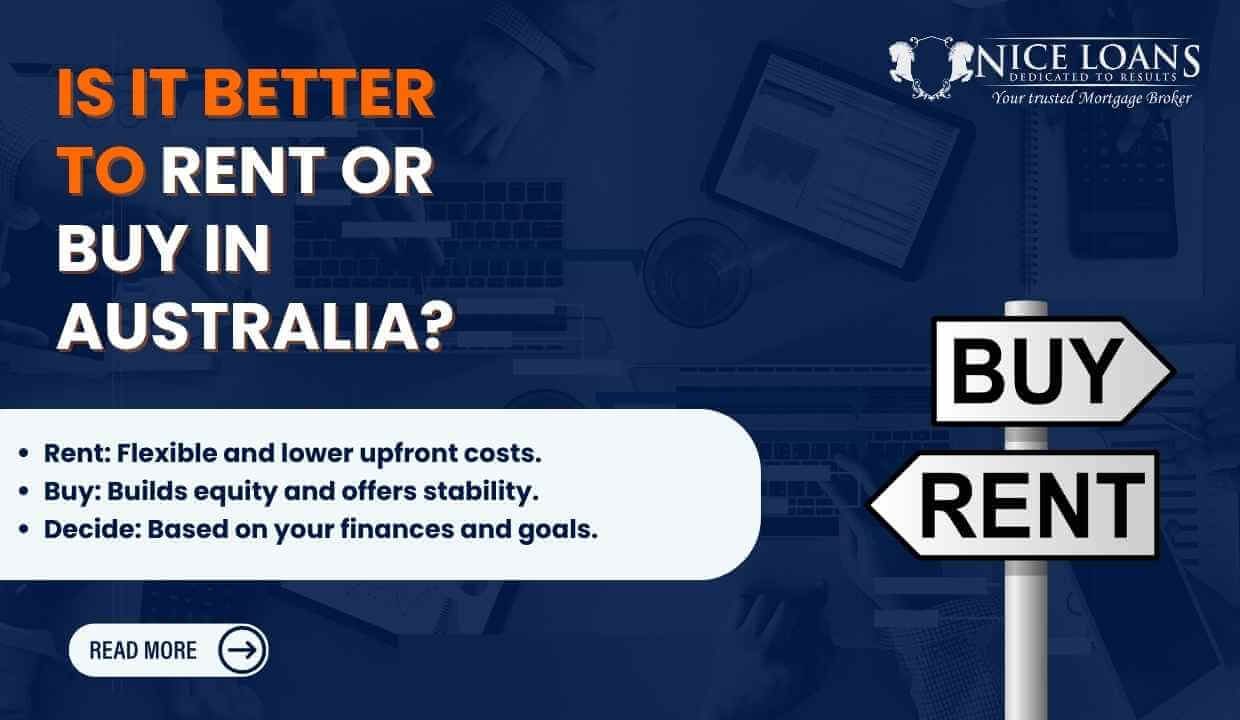
Confused whether to rent or buy a home in Australia in 2026? You can’t be wrong to wonder, since for many aspiring families and individuals this is more than a lifestyle choice. It shapes where you live, how you manage your money and your ability to build wealth over time.
With housing affordability, borrowing capacity, interest rates and rental conditions all playing a role, there is no universal answer to the rent vs buy debate because what works for one household may not make financial sense for another.
As mortgage brokers, we see this decision from both sides. Some clients are ready to take the next step towards home ownership, while others are better served by continuing to rent while they strengthen their savings or wait for the right opportunity. The important thing is to understand what each option means for your finances before committing.
If you are weighing up renting versus leasing, comparing the benefits of buying vs renting a home, or simply asking if it’s better to rent or buy a house, our guide will help you look beyond the headline property price. We’ll break down the financial and practical considerations, explain the costs involved in each option, and show you what to consider before making your property decision.
Most importantly, if buying happens to be the right fit for your circumstances, understanding your borrowing options early can put you in a stronger position when you are ready to enter the market, and Nice Loans specialises in just that.
Discover some of the best tips to negotiate your home purchase.
When Does Renting Make Sense?
Renting can be the right choice when flexibility matters more than property ownership. For someone who is relocating for work, planning to travel, building their savings or simply not ready to commit to a mortgage, renting can provide valuable breathing room.
Benefits of Renting
Flexibility: One of the strongest advantages of renting is the freedom to move without having to sell a property. If your employment, family circumstances or lifestyle changes, you can generally relocate when your tenancy ends without dealing with the sales process.
Location Access: Renting can also provide access to locations that may be difficult to enter through property ownership. For example, someone who wants to live close to the CBD, a particular school or their workplace may find that the weekly rental cost is more manageable than the price of purchasing a comparable property.
Manageable Responsibility: Another advantage is that you generally have less responsibility for significant property maintenance. While tenants still have obligations under their tenancy agreement, many major repairs and maintenance responsibilities sit with the property owner.
Savings Remain Accessible: Renting may also allow you to keep more of your savings accessible. Instead of committing a large amount of capital to a deposit and the purchase of a property, you can retain funds for an emergency buffer, investments or other financial priorities.
Opportunity to Rent and Invest: For some households, this creates an opportunity to rent and invest rather than immediately pursue property ownership. The outcome will depend on what you do with the money you retain, and the returns achieved, so it should be considered as part of your broader financial strategy rather than treated as a guaranteed alternative to buying.
Learn the difference between owner occupied vs investment loans to choose based on your goals.
Disadvantages of Renting
Property Ownership: The main trade-off is that renting does not provide property ownership. Even after years of tenancy payments, you do not normally acquire an ownership stake in the property.
Temporary Housing Arrangements: A renter may need to move if the owner decides to sell or does not renew the tenancy, subject to the applicable tenancy laws and the specific circumstances. This can make long-term planning more difficult, particularly for households looking for greater certainty.
Restrictions on Property Use: Renovations, significant alterations, pets and other personalisations may require the owner’s permission, depending on the tenancy agreement and local regulations.
Rent Inflation: Even if a property is affordable when you first move in, future increases can change the amount you need to allocate towards housing. Over a long period, this can make it important to regularly review whether your current arrangement still supports your financial goals.
Note: If your savings are growing, your income is stable, and you are beginning to think seriously about entering the property market, it may be worthwhile speaking with a mortgage broker before making assumptions about what you can or cannot afford. Understanding your potential borrowing capacity can help you decide whether continuing to rent is the right strategy or whether purchasing is becoming a realistic option.
Check out our guide to all types of home loan features to narrow down those that profit you the most.
Buying a Home
For many Australians, buying a home represents more than having a place to live. It can provide greater control over your living environment while giving you the opportunity to build an asset over time.
The challenge is making sure the purchase is affordable and suited to your circumstances. A property can be a valuable long-term asset, but the benefits of ownership need to be weighed against the costs and responsibilities that come with a mortgage.
Why Buy a Home?
One of the biggest advantages of buying is stability. Once you own the property, you have greater control over how you use and maintain it, subject to planning requirements, strata rules and other applicable restrictions. You can generally make improvements, renovate and personalise the home without needing a landlord’s approval for every change.
Home ownership can also provide a pathway to build equity. As you reduce the principal on your mortgage and if the market rises, your property’s value increases, the difference between what the property is worth and what you owe becomes a significant component of your overall wealth.
This does not mean property prices always rise. The Australian property market moves through different cycles, and individual properties can perform very differently. However, for people who plan to stay in a property for the longer term, ownership can provide an opportunity to benefit from potential capital growth while also meeting an essential housing need.
There is also a long-term benefit to eventually paying off your mortgage. Once the loan is fully repaid, you no longer have those principal and interest payments, although you will still have ongoing ownership expenses. This can become particularly valuable when planning retirement.
For eligible first home buyers, government assistance may also reduce some of the barriers to entering the market. Depending on where you live and the property you are purchasing, schemes such as the first home guarantee may allow eligible buyers to purchase with a smaller deposit, subject to the relevant eligibility criteria and scheme limits.
Have you ever heard of salary sacrifice home loan?

What are the Costs of Buying a Home?
Upfront Purchase Costs: Buying a property requires more than having enough money for the deposit. You also need to account for upfront costs associated with the transaction, which can include stamp duty, conveyancing, inspections, loan fees, and other purchasing expenses. The amount varies depending on the state or territory, property value and your circumstances.
Ongoing Costs of Ownership: These can include mortgage repayments, home insurance, council rates, utilities, and strata costs where applicable, maintenance and unexpected repairs.
Your Interest Rate: There are typically two major types of interest associated home loans fixed rate and variable rate home loan. If you choose a variable rate mortgage, changes in interest rates can affect your repayments. A higher rate can increase the amount you need to allocate towards your mortgage each month, so it is important to assess affordability beyond the rate available when you apply. Some opt for a fixed-rate loan for greater certainty for a defined period, while others prefer the flexibility of a variable loan. There are also split loan structures that combine both, but the most suitable structure depends on your circumstances, preferences and financial objectives.
You should always remember that if your financial circumstances change, you will be the one to bear the burden. A mortgage is a substantial commitment, and losing income, taking on additional debt or facing unexpected expenses can affect your ability to maintain repayments.
Transfer existing home loan to a new property with home loan portability.
Buying Your Home is About More than the Numbers
There are financial advantages to ownership, but lifestyle considerations matter too. Owning your home can give you greater certainty about where you live and allow you to make decisions about the property without negotiating with a landlord. For someone who intends to remain in the same area for many years and has a stable financial position, buying may provide a stronger sense of permanence than renting.
The key is not to buy simply because you believe you are supposed to. A successful purchase starts with understanding your borrowing capacity, establishing a realistic budget and choosing a loan that you can comfortably manage.
That is where working with a mortgage broker can add value. At Nice Loans, we can help determine loan options from a range of lenders, understand the costs involved and determine what may be achievable before you start looking at properties.
Try debt consolidation to combine multiple debts into one home loan for simpler repayments.
How to Decide Whether to Rent or Buy?
There is no universal answer to whether to rent or buy. The right choice depends on how the numbers work for you today and what you expect your circumstances to look like in the future.
When clients come to us asking, is it better to rent or buy? we start by looking beyond the weekly rent or advertised house prices. A property decision should take into account your income, savings, existing debts, lifestyle and how long you expect to stay in the property.
How Long Do You Plan to Stay?
Your expected timeframe is a key factor in the decision. If you expect to relocate within the next year or two, buying may not be practical. Purchasing involves transaction costs, and selling a property can involve agent fees, legal expenses and other selling costs. These expenses can make a short-term purchase less attractive.
If you expect to remain in the same property or area for many years, however, those initial costs can be spread across a longer period. This is one reason buying can become more compelling for people looking for stability and a long-term home.
Find out how to unlock home equity to invest or buy a second property without a large cash deposit.

What Can You Comfortably Afford?
Your borrowing capacity is not the same as your comfortable budget. A lender may determine that you can borrow the maximum available but your budget should leave room for everyday expenses, savings, emergencies and changes in your circumstances.
Consider your expected mortgage repayments, other debts and regular living expenses before deciding what purchase price is realistic. Ask yourself whether you could continue making your repayments if your interest rate increased, your expenses rose, or your income temporarily fell.
What Will Your Deposit and Other Costs Look Like?
The deposit is one of the most visible costs of buying, but it is not the only amount you need to save. Depending on your circumstances, you may need to budget for stamp duty, conveyancing, inspections, loan-related fees and other purchase expenses. Some buyers with smaller deposits may also need to consider lenders mortgage insurance (LMI), which can increase the overall cost of borrowing. On the other hand, renting generally requires considerably less capital upfront, allowing you to retain more cash while continuing to save.
Check out our guide on mortgage and property settlement after separation to discover options for mortgage management after divorce.
What is Happening With Your Local Market?
Property markets vary significantly between locations. A national headline does not necessarily tell you what is happening in the suburb where you want to live. Consider the local property value, availability, rental demand and recent sales rather than relying solely on broad Australian housing statistics. For example, someone considering a home in Sydney may face a very different combination of purchase prices, rental costs and borrowing requirements from someone looking at a regional market. The important thing is to assess the specific market and property rather than assuming that buying or renting is automatically the better option everywhere.
What is the Opportunity Cost?
Choosing one option means giving something else up, this very phenomena is what opportunity cost is. If you use a large portion of your savings for a home deposit, that money is no longer available for other investments or financial goals. At the same time, if you continue renting, you retain greater access to your savings but do not gain an ownership interest in the property you occupy.
Some people may choose to rent and invest elsewhere, while others prefer to direct their money towards a home they own. Neither strategy guarantees a particular financial outcome, so it is important to compare the potential costs and benefits realistically.
Have You Compared the Numbers?
This is where a rent or buy calculator can be useful as a starting point. A rent vs buy calculator can help you compare estimated rental expenses with the potential costs of purchasing over a selected timeframe. However, calculator results should not be treated as a final financial decision because they depend heavily on the assumptions entered, including property growth, rent increases, loan rates, maintenance and investment returns.
At Nice Loans, we believe the most useful approach is to run the numbers before making an emotional decision. If buying appears affordable, we can then help you explore your borrowing options and understand which loan structures may suit your circumstances. The goal is not simply to determine whether it is better to rent or buy in general. It is to work out which option is likely to be the better fit for your financial goals, lifestyle and plans.
Government Support for First Home Buyers
Getting into the property market can feel challenging when you are saving a deposit while also keeping up with everyday housing costs. For eligible buyers, government assistance may help reduce some of the barriers associated with purchasing a first home.
One of the key federal initiatives worth understanding is the 5% Home Guarantee Scheme. Under eligible government guarantee programs, qualifying buyers may be able to purchase a home with a smaller deposit without paying the full amount of lenders’ mortgage insurance that might otherwise apply. Under the 5% deposit scheme is the family home guarantee that allows single parents or guardians to purchase with only 2% deposit.
There may also be state or territory-based assistance available, including grants, concessions or exemptions relating to stamp duty. The rules differ across Australia, and eligibility can depend on factors such as whether you are purchasing an established property or building a new one, the property’s value and whether you have previously owned property.
Buying a home in VIC? Here’s everything you need to know about the First Home Buyers Grant VIC.
Why Should You Investigate These Options Early?
Government assistance can potentially reduce the amount you need to save before purchasing, but it should not be the reason you stretch beyond a comfortable budget. For home buyers, the bigger question is whether the overall purchase remains affordable after taking into account your deposit, loan amount, repayments, ongoing ownership expenses and future financial commitments.
If you are an eligible first home buyer, understanding the available assistance before you begin searching can help you establish a more realistic budget. It can also help you understand whether a smaller deposit could allow you to purchase sooner or whether continuing to save would put you in a stronger position.
What About Buying an Investment Property?
Buying a property does not always mean purchasing the home you intend to live in. Some Australians choose to purchase an investment property while continuing to rent their own home, while others buy an investment property after establishing their principal residence. This strategy can form part of a broader wealth-building plan, but it comes with different risks, costs and lending considerations.
How Does an Investment Property Work?
When you buy an investment property, the intention is generally to lease it to tenants and generate rental income while potentially benefiting from long-term capital growth.
The rental income may help cover some of the property’s ongoing expenses, including loan repayments, insurance, property management and maintenance. However, rental income is not guaranteed, and there may be periods when renting the property is not possible it is vacant or undergoing repairs. The property’s value can also rise or fall. Capital growth should therefore be viewed as a potential outcome rather than something you can rely on when calculating your expected return.

Alternatives to Renting or Buying
If neither traditional renting nor purchasing your own home feels like the right fit for you, there are alternative approaches you may come across when researching how to buy in Australia. These strategies can sound appealing, but they should be assessed carefully because they do not suit every financial situation.
Rentvesting
Rentvesting involves renting the home you want to live in while purchasing a separate investment property. For some buyers, this can provide greater lifestyle flexibility while allowing them to participate in the property market. You may be able to live in a location that would otherwise be difficult to purchase in while building an investment portfolio elsewhere.
Rent-to-buy Arrangements
You should also have heard of the rent-to-buy scheme. This can differ significantly from a standard residential tenancy or conventional types of home loans. Under some arrangements, a tenant may have an agreement that provides an option or pathway to purchase a property at a later date. The structure, fees, obligations and legal protections can vary considerably, so make sure to understand exactly what you are signing up for before committing.
Continue to Rent While Preparing to Buy
The cost of buying isn’t easy at all, even with a home loan backing you up, you are still expected to raise a good amount of deposit, therefore, there is nothing wrong with continuing to rent while you prepare for home ownership. You can use this period to increase your savings, reduce existing debts, improve your budgeting habits, and build a stronger credit score so that your application can be easily approved when you approach lenders.
Rent or Buy: Which is Right for You?
So, ultimately, is it better to rent or buy? There is no rule that says renting is always cheaper or that buying will always produce a better financial outcome. Instead, consider where you are now, where you want to be in the next few years and which option gives you the greatest combination of financial stability and lifestyle relief.
Renting is good for those who value flexibility, are still saving for a home, and are not confident about where they wish to settle. At the same time, buying suits those who have a stable income and savings, expect to remain in one area for a long time and want greater control over their area and livelihood. If you are currently renting but think buying could be achievable within the next 6 to 12 months, this can be a good time to start preparing. Review your spending, reduce unnecessary debt, and build your savings to help strengthen your position.
The rent vs buy decision should not be based solely on what property prices are doing or whether rent prices have increased recently. It should reflect your financial position, lifestyle, plans and tolerance for financial risk. If you are unsure, start with the numbers. Consider your current housing expenses, savings, likely borrowing capacity and the total cost of ownership. Then compare those figures against your plans.
Do you believe you may be ready to buy a home? Speaking with a mortgage broker early can help you understand what is realistically achievable. We can assess your circumstances, compare loan options from our lender panel and help you understand the potential costs involved before you commit to a property. Get in touch with us at Nice Loans, your Australian home loan specialist, to make your borrowing process easier. Book a consultation now!